

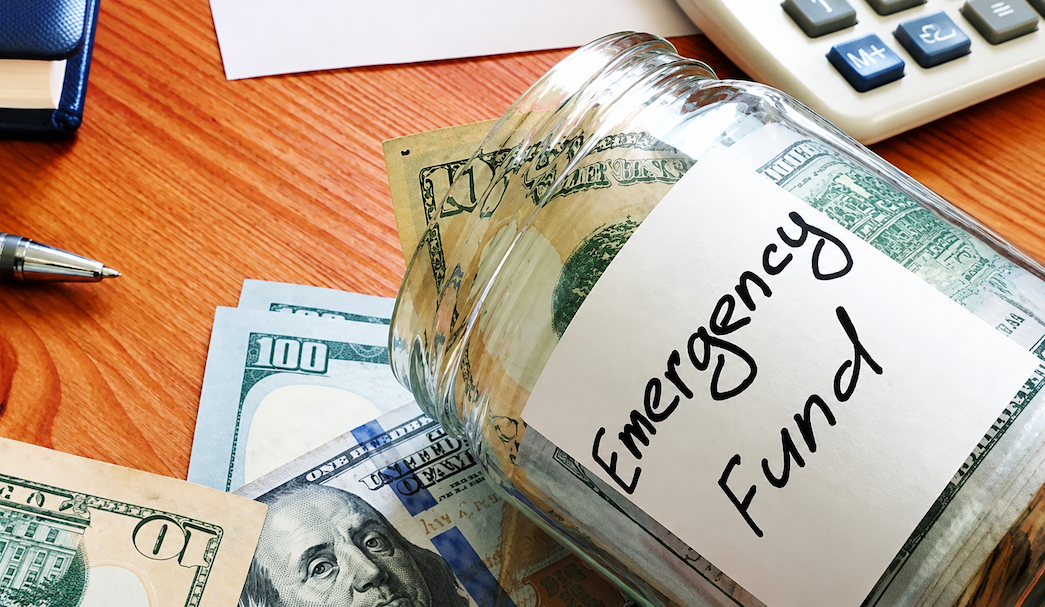
Life doesn’t always go according to plan. A job loss, unexpected medical expense, major car repair, or home emergency can happen when you least expect it. That’s why having an emergency fund is one of the smartest financial steps you can take.
An emergency fund provides more than just money when you need it most. It gives you peace of mind, reduces financial stress, and helps you avoid relying on credit cards or loans during difficult times.
Why an Emergency Fund Matters
Financial experts consistently recommend building an emergency fund to help cover unexpected expenses without disrupting your long-term financial goals.
While every situation is different, a common recommendation is to save enough to cover three to six months of essential living expenses. If six months feels out of reach, don’t worry. The important thing is to start where you are and build your savings over time.
Step 1: Choose the Right Savings Account
Your emergency fund should be easy to access while still earning interest.
Look for a high-yield savings account that offers:
- A competitive interest rate
- No or low monthly fees
- Easy access to your money when an emergency occurs
Many people also find it helpful to keep their emergency savings in a separate account from their everyday checking account. Keeping it separate makes it less tempting to spend money that should only be used for true emergencies.
Once your account is open, begin contributing whatever your budget allows.
Step 2: Determine Your Savings Goal
Before you know how much to save, you need to understand how much you spend each month.
Review your monthly budget and total your essential expenses, including:
- Housing (mortgage or rent, property taxes)
- Groceries and basic food costs
- Utilities (electric, gas, water, internet)
- Transportation (vehicle payment, fuel, maintenance, public transportation)
- Phone service
- Insurance (home, auto, health, life)
- Household necessities
- Clothing
- Retirement and other savings contributions
- Entertainment
- Travel
- Other regular expenses
Once you’ve calculated your monthly expenses, multiply that amount by the number of months you’d like your emergency fund to cover.
Example:
- Monthly expenses: $5,500
- Six months of expenses: $33,000
If you’re able to save more than your goal, that’s even better. A larger emergency fund can provide additional financial security.
Step 3: Make Saving Automatic
One of the easiest ways to stay consistent is to remove the temptation to spend before you save.
Ask your employer if you can split your direct deposit so that part of each paycheck goes directly into your emergency savings account. Even small automatic deposits add up over time.
As your income grows through raises, bonuses, or promotions, consider increasing your automatic contribution. You may not even notice the difference in your day-to-day budget.
Step 4: Start Small
Building an emergency fund doesn’t happen overnight.
If saving several months of expenses feels overwhelming, focus on creating the habit first. Setting aside $20, $50, or $100 at a time is still meaningful progress. Consistency matters far more than the amount you save in the beginning.
Every dollar you save today is one less dollar you’ll need to borrow tomorrow.
Step 5: Put Unexpected Money to Work
When extra money comes your way, consider using it to strengthen your emergency fund.
You might receive:
- A tax refund
- A work bonus
- A cash gift
- A rebate
- Overtime pay
Depositing all or part of these unexpected funds can help you reach your savings goal much faster without affecting your regular monthly budget.
Key Takeaways
- An emergency fund helps you prepare for life’s unexpected expenses.
- Aim to save three to six months of essential living expenses, but start with whatever fits your budget.
- Keep your emergency savings in a separate, high-yield savings account.
- Automate your savings to build your balance consistently.
- Use raises, bonuses, and tax refunds to accelerate your progress.
- Remember that every contribution, no matter how small, moves you closer to financial security.
How Kohler Credit Union Can Help
Building an emergency fund is easier when you have the right financial partner by your side.
Kohler Credit Union offers savings accounts designed to help your money grow while keeping it available when you need it most. Whether you’re opening your first emergency fund, setting up automatic transfers, or creating a personalized savings strategy, our team is here to help you build lasting financial confidence.
Visit your nearest Kohler Credit Union branch or connect with us online to learn more about our savings options and discover how we can help you prepare for whatever life brings.
*Information in our blog posts are made available to you as self-help tools for your independent use. We cannot and do not guarantee their accuracy, their applicability to your circumstances or guarantee of credit. We encourage you to seek personalized advice from qualified professionals regarding all personal finance issues.